The Good, the Bad and the Funny

This blog post is going to be a mix of information and some humour with my experience working with residents in LTC (Long-term Care) and their favourite supplements.
Picture by MermaidsWhimsy

Pros and Cons of liquid supplements

Liquid supplements like Ensure® and Boost® are a great way to get extra nutrition, not just for the elderly, but for anyone in general who wants a quick meal replacement, or some extra calories in their diet. I myself take Boost® because I’m not that much of a big eater and would like to NOT be calorie-deficient. So, while this is great, there is a bit of a problem with these liquid supplements that most people don’t touch on. I mean, most medical experts know, but what I’m talking about is the sugar content. Liquid supplements seem like a great fix, but some people need to watch that sugar content, or it will lead to other problems you don’t need. This was one reason why I had to cut back. In my family, diabetes runs rampant on both sides; it was doing more damage than good. It made me think about what damage it will have on seniors, though they need those extra calories to sustain life.

If someone is already diabetic, they have liquid supplements that are made especially for them, like Glucerna® or any other sugarless substitute. They do have a low-sugar one, but you barely see it used in the nursing home. So, I did some research, and Boost® has more sugar than Ensure®.

Picture by Adonyig

Loaded sugar content

Here is a breakdown of both supplements and their sugar content:

Ensure® – RegularBoost® – Regular
Sugar 18gSugar 15g

The daily sugar intake should be 25–36 grams. So, a lot of those liquid supplements are pretty much hitting that daily sugar mark. Ensure you get at least 18%, and what’s scary, people drink three of those a day. Your blood sugar levels would rise higher than a rocket ship. I guess it’s to give it taste, but some of those supplements taste like chalk. The more sugar dumped in them, the more people will like drinking them; these companies know it, too. Geritol, an iron and vitamin liquid supplement, has the daily recommended sugar consumption. If you are a diabetic, it would not suit you to drink it. What I have noticed though, in the last year or so, is that some companies are making light versions of their drink. They are making less-sugar versions and slowly rolling them out. The long-term care homes are still using the regular versions; hopefully, there will be a change and they’ll start to bring in shipments of the lighter versions.

In the end, it’s what the people want, and they want something with vitamins that doesn’t taste like a chalky milkshake.

Some light humour

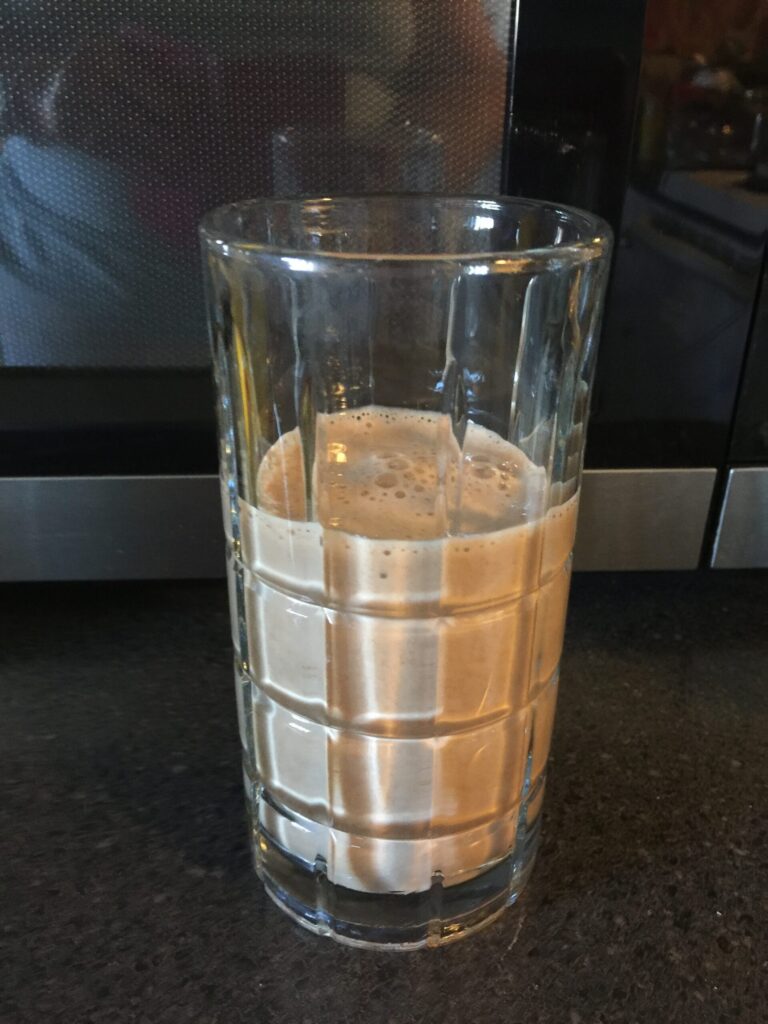
During my time in Long-term care, what I have noticed is that the residents really love their supplements. It’s to the point that if they don’t get it in time, they would almost riot. Their favourite one was Ensure. I’m guessing because of the sweet taste, seeing how that one has the most sugar. Many times, if the nursing staff was late with supplementing, it was a yelling match. Now, I’ve tried both, and I prefer Boost. Those of us on the younger side just need a quick fix (which is not that healthy, I know). Ensure tends to settle to the bottom, and you are drinking a big gelatinous glob of mush. Another reason could be that the older you get, sometimes your taste buds are not as strong, so the globby taste doesn’t bother the residents.

If it’s not Ensure, it’s the raisin bread, another sweet treat. I almost had a whole dining room riot because we ran out. The shipment didn’t come in time. I do miss those times working in the home, but I’ve switched careers. From time to time, I still think of my residence. I know some have passed on, but it was an interesting and fun experience. Though I still like learning about nutrition. So, it might be something to consider in the future. The world is changing at a fast past and who knows what the future of liquid supplements will be like in 60 years. Maybe they can make something that tastes better, but that is some wishful thinking. I’m pretty sure humans will have longevity, and there won’t be any need for vitamins.

The importance of supplements for the elderly population

For decades, senior supplementation was a “one-size-fits-all” approach, often relegated to a standard multivitamin and a hope for the best. In the early 20th century, nutrition focused primarily on preventing acute deficiencies like scurvy or rickets; however, as life expectancy climbed, the medical community realized that the aging body has unique physiological demands. The history of senior supplementation has transitioned from basic fortification to a sophisticated, evidence-based discipline. We have moved past the era of “trendy” additives and into a period where targeted micronutrients are recognized as essential tools for managing the complexities of aging, from bone density to cognitive preservation.

A look at more modern Senior nutrition:

The 21st century has ushered in an era of precision nutrition, moving away from “blanket” recommendations toward targeted, bioavailable interventions. This advancement is driven by a deeper understanding of the aging gut; specifically, how atrophic gastritis and changes in stomach acid can render standard pills nearly useless. Modern supplements now utilize sophisticated delivery systems, such as chelated minerals for easier absorption and liquid or sublingual forms that bypass the digestive hurdles common in seniors.

The different types of Vitamins:

As we age, the body’s ability to synthesize and absorb nutrients diminishes, a process often compounded by polypharmacy (multiple medications) and decreased appetite. Targeted supplementation acts as a critical intervention to bridge these nutritional gaps, supporting cellular repair, immune vigilance, and neurological stability. By prioritizing high-bioavailability formulas, seniors and senior care professionals can directly influence measurable outcomes such as reduced fall frequency, faster wound healing, and improved cognitive engagement.

The following important vitamins:

  • Vitamin D3 (Cholecalciferol): Often called the “sunshine vitamin,” it is essential for calcium absorption. In seniors, it is the primary defence against osteoporosis and is clinically proven to improve lower-body muscle strength, significantly reducing the risk of accidental falls.
  • Vitamin B12 (Cobalamin): Atrophic gastritis often prevents seniors from absorbing B12 from food. Supplementation is vital for maintaining the myelin sheath (nerve protection) and red blood cell formation, preventing fatigue and “brain fog” that can be mistaken for cognitive decline.
  • Magnesium: This mineral is a cofactor in over 300 enzymatic reactions. For seniors, it is vital for cardiovascular stability and muscle relaxation, helping to alleviate painful nocturnal leg cramps and supporting healthy sleep cycles.
  • Omega-3 Fatty Acids (EPA/DHA): These essential fats act as systemic anti-inflammatories. They are vital for heart health (maintaining triglycerides) and “brain lubrication,” supporting memory retention and joint mobility in residents with arthritis.
  • Vitamin C and Zinc: These work synergistically to maintain skin integrity and immune response. In a long-term care setting, they are the first line of defence for pressure ulcer (bedsore) prevention and recovery from seasonal respiratory infections.
  • Calcium Citrate: Unlike calcium carbonate, the citrate form does not require stomach acid for absorption, making it the superior choice for seniors on acid blockers (PPIs). It is the structural foundation for maintaining skeletal density.

Liquid supplements vs. pills:

Liquid supplements offer a physiological “shortcut” that makes them just as effective and, in many clinical scenarios, more effective than traditional pills for seniors. Because liquid vitamins are already in a pre-dissolved state, they bypass the vigorous mechanical breakdown required for tablets, allowing for faster and more consistent absorption in the small intestine. This is particularly vital for seniors who may suffer from atrophic gastritis (reduced stomach acid), which often prevents standard pills from fully disintegrating. While pills are effective for healthy adults, the liquid form ensures that the resident’s system receives the advertised dose rather than passing a partially dissolved tablet through the digestive tract.

In terms of patient reaction, the shift to liquid forms significantly improves “treatment adherence.” Medical professionals often find that residents react far more positively to liquid supplements compared to “pill fatigue,” the physical and emotional stress of swallowing multiple large capsules. For seniors with dysphagia (swallowing difficulties), liquid supplements eliminate the choking hazard and the unpleasant taste of crushed pills, which are often bitter and grit-like when mixed with food. By moving to liquids, the medical staff can integrate nutrients into existing hydration routines, turning a difficult medical requirement into a seamless, more dignified part of the resident’s day. Most liquid supplements have different texture for residents who suffer from dysphagia or other swallowing difficulties.

Liquid supplements come with risks as well:

While liquid supplements solve the “pill fatigue” problem, they require a higher level of clinical vigilance to ensure safety and precision. The ease of administration with liquids can lead to “over-pouring” or measurement errors, which pose a risk of nutrient toxicity, particularly with fat-soluble vitamins (A, D, E, and K) that the body stores rather than flushes out. For example, an overload of Vitamin D can lead to hypercalcemia, causing kidney strain or confusion in seniors. Furthermore, because liquids are absorbed so rapidly, they can create a sudden “spike” in nutrient levels that may interfere with the metabolic clearance of prescription medications. Proper monitoring ensures that the resident is receiving the exact therapeutic dose without overwhelming their already sensitive internal systems.

Risks to Watch For:

  • Aspiration Risk: Even though liquids are safer for many, residents with severe dysphagia must still be monitored to prevent the liquid from entering the lungs.
  • Measurement Drift: Using standard kitchen spoons instead of calibrated medical droppers can lead to accidental “mega dosing” over time.
  • Organ Overload: Excessive intake of certain minerals (like Calcium) in a fast-acting liquid form can increase the risk of kidney stones or soft tissue calcification.
  • Gastrointestinal Sensitivity: The high concentration of nutrients in some liquids can occasionally cause nausea or diarrhea if taken on an empty stomach.

Quick Takeaway for Professionals & Families

  • For Professionals: Document liquid supplement administration with the same precision as a Grade A medication. Always use the provided calibrated dropper and perform a quarterly “Supplement Review” to check for interactions with new prescriptions.
  • For Families: More is not better. While it’s tempting to add extra “wellness drops” to a loved one’s juice, doing so without consulting the nursing staff can lead to a dangerous nutrient imbalance.